Contemplative Practices for Beginners: A Gentle Guide to Sacred Listening

Silence isn't a void. It's a sanctuary. For many of us, the attempt to find stillness feels like trying to hold back the tide with a broom. The internal noise is relentless. Your "to-do" list screams for attention the moment you close your eyes, leaving you feeling disconnected and spiritually drained. You might worry that you're doing it wrong. You might fear that God is only found in the loud, busy work of "doing." Finding contemplative practices for beginners shouldn't feel like another chore on your spiritual checklist or a performance you're destined to fail.
You know your soul is weary of the rush. You're ready for a different way of being. This guide is a gentle invitation to discover how to quiet the noise and honor the sacred narrative of your life through simple, time-tested contemplative rhythms. We'll explore practical tools that fit into your modern life, moving from a state of quiet unrest toward a sense of integrated wisdom. Together, we'll learn to listen to the story God is already telling through your days, trading the weight of spiritual exhaustion for a deep, resonant sense of peace.
Key Takeaways
Learn to distinguish between active mental reflection and the receptive, wordless rest found in true contemplation.
Create a dedicated sacred space and use simple tools to release the anxiety of time and performance.
Master foundational contemplative practices for beginners like Centering Prayer and Lectio Divina to listen for the Living Word in your own story.
Reframe the "busy mind" not as a failure, but as a recurring invitation to practice the art of the gentle return.
Discover how these individual rhythms open the door to deeper spiritual direction and the honoring of your personal narrative.
Table of Contents
What are Contemplative Practices? Defining the Sacred Pause
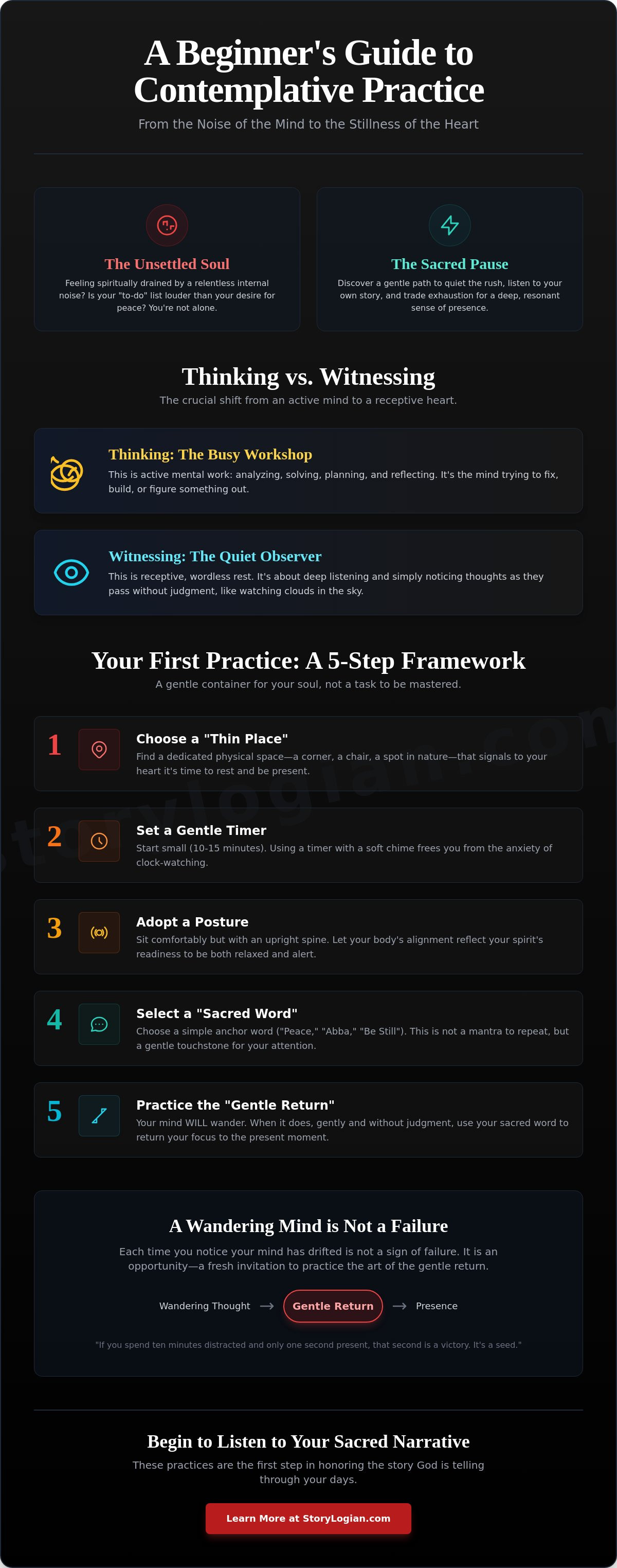
To begin a journey into contemplative practices for beginners is to step across a threshold from the noise of the world into the stillness of the heart. It's an intentional choice. We decide to be present to the Divine in a way that bypasses the intellect. Often, we confuse this with a mental exercise, but it's far simpler and much deeper. Contemplation is the act of looking at something with love. It's not a puzzle to solve. It's a presence to inhabit. While meditation often involves an active reflection on a text or a concept, contemplation is a receptive resting. It's the "Sacred Pause" where we finally stop the frantic doing of our lives and begin the quiet work of witnessing. The Sacred Pause is the moment the narrative stops being a blur and starts being a lived experience. It's the breath between the notes that makes the music possible. In this space, we aren't trying to change God's mind; we're simply making room for the conversation that has been happening all along.
The Difference Between Thinking and Witnessing
Your mind is a busy workshop. It's constantly building, fixing, and planning. Contemplation asks the craftsman to set down the tools. It's not about "deep thinking" where you analyze your flaws or your future. Instead, it's about "deep listening." Think of a filmmaker standing behind a camera. They aren't walking onto the set to move the furniture or tell the actors what to do. They're simply observing the scene, letting the light and the movement reveal their own truth without interruption. When we witness, we aren't judging or categorizing our thoughts as "good" or "bad." We're simply noticing them as they float by, like clouds across a wide, silent sky. The sacredness of the mundane is found when we realize that God isn't hiding from our ordinary lives but is revealed within them.
Why Beginners Start Here
Most people come to these rhythms because they are tired. They don't need more information. They need rest. If your soul feels like a dry well, you don't need a lecture on hydrology; you need the rain. These simple movements of the heart serve as the essential foundation for spiritual direction for women, providing the quiet soil where deeper storywork can eventually take root. You don't need to be a mystic or a saint to start. There is no special holiness required to sit in the dark and wait for the light. Your life is a sacred narrative. It's a story written by a loving hand, but you cannot read the pages if you're always running past them. Contemplative practices for beginners allow you to slow down long enough to see the ink. Peace isn't the goal; presence is. If you spend ten minutes distracted and only one second present, that second is a victory. It's a seed.
How to Begin: A 5-Step Framework for Your First Practice
Entering the silence for the first time can feel like walking into a room without a light. We often carry our habits of productivity into the stillness, wondering if we are doing enough or if we are doing it right. But contemplative practices for beginners are not tasks to be mastered. They are invitations to be accepted. To help you find your footing, consider this simple five-step framework. It's designed to lower the barriers of expectation and create a gentle container for your soul. These rhythms are time-tested ways to help you cope with stress by shifting your focus from the external chaos to the internal presence of the Divine.
Step 1: Choose a "thin place." Find a dedicated corner of your home or a spot in the garden where the world feels a little further away. This physical boundary helps signal to your heart that it's time to rest.
Step 2: Set a gentle timer. Start with ten or fifteen minutes. A soft chime releases you from the anxiety of "how long" and allows you to stop checking the clock.
Step 3: Adopt a posture that is both relaxed and alert. Sit comfortably but with an upright spine. Your body's alignment reflects your spirit's readiness to listen.
Step 4: Select a "sacred word." Choose a simple word or phrase like "Peace," "Abba," or "Be Still" to anchor your attention. This isn't a mantra to repeat, but a touchstone to return to.
Step 5: Practice the "gentle return." Your mind will wander. This is not a failure. When you notice you've drifted, simply use your sacred word to return to the presence of God without judgment.
Creating Your External Environment
Sacredness is often supported by beauty. You don't need an altar, but a single candle or a bowl of smooth stones can serve as a visual anchor. Soft lighting can help quiet the nervous system, making it easier to descend into the heart. Physical comfort is essential. If your back aches or your legs fall asleep, your body becomes a distraction rather than a temple. Sometimes, a focused environment like a women’s soul care retreat can provide the immersive experience needed to jumpstart these rhythms in your own home. If you feel stuck in the noise of your daily life, exploring Sacred Accompaniment can offer a supportive space to begin this transition.
The Internal Posture of the Heart
The most important part of the framework is your internal disposition. We practice "holy indifference," which means we let go of our desire for a specific outcome or a profound spiritual experience. We simply show up. Your breath can become a prayer in itself, a rhythmic reminder of the life that is being breathed into you every moment. Approach the silence with a spirit of curiosity. Instead of being frustrated by the noise of your thoughts, wonder at what they reveal about your current state. Contemplative practices for beginners aren't about emptying the mind, but about filling the heart with a quiet, expectant love.
Three Foundational Practices for the Beginner Soul
The path toward the Divine isn't a single road. It's a landscape with many trails. For those exploring contemplative practices for beginners, these three foundational rhythms offer distinct ways to settle the soul. They aren't rigid rules. They are invitations. Each one serves as a different lens, helping you focus on the underlying beauty of your existence. Ultimately, these are tools for reclaiming the sacred narrative of your life, allowing you to see the Divine hand at work in your past and present. By choosing the practice that resonates most with your current state, you begin to build a sustainable rhythm of grace.
Lectio Divina: Reading the Text of Your Life
Traditionally, Lectio Divina is the practice of reading a sacred text with the "ear of the heart." However, it's also a powerful way to read the "text" of your own days. The practice moves through four deliberate movements. First, you Read (Lectio), perhaps choosing a specific memory from your history or a recent encounter. Next, you Meditate (Meditatio), lingering on a specific detail or feeling that shimmers with particular weight. Then, you Pray (Oratio), speaking honestly to God about what this memory stirs within you. Finally, you Contemplate (Contemplatio), resting in the silence that follows the conversation. God speaks through the intricate threads of our personal history, revealing a presence that was always there.
Centering Prayer: The Consent to Presence
If Lectio Divina is a conversation, Centering Prayer is the comfortable silence between old friends. It's the pure consent to the presence and action of God within. You begin by choosing your sacred word, which serves as a symbol of your intention to remain open. When thoughts arise, don't fight them. Treat them like clouds passing through a wide, silent sky; notice them, but let them drift away. While twenty minutes is the traditional gold standard for this practice, five minutes is a significant victory for any beginner. It's the quality of the "yes" you give to the stillness that matters most, not the duration of the sit. Over time, this practice builds the spiritual muscle needed to stay present in the midst of life's noise.
Visio Divina: The Art of Sacred Seeing
Visio Divina, or sacred seeing, invites the spiritual imagination to wake up through the eyes. It might involve sitting before a piece of religious art or simply watching the light filter through the leaves of a tree in your backyard. You look until you truly see. You wait for the image to speak to your internal landscape. This is one of the most accessible contemplative practices for beginners because it uses the tangible world to point toward the intangible. It reminds us that every corner of creation is a window into the heart of the Creator. These practices aren't about gaining more information. They're about cultivating a deeper, more resonant presence in your own story.
Navigating the Unsettled Soul: Overcoming Beginner Hurdles
The silence can be a startling mirror. When we finally stop, we often find that the noise inside is louder than the world we just left behind. It's the most common hurdle. You might feel that your mind is simply too busy for this. You might feel like a failure before you've even finished your first five minutes. But contemplative practices for beginners aren't about achieving a blank state of mind. They are about the gentle, persistent act of returning. Every time you realize you've drifted into a "to-do" list or a past regret, you've reached a moment of grace. That awareness is the practice. You aren't failing. You're waking up.
Sometimes, the silence doesn't feel peaceful. It feels heavy. It feels empty. We live in a culture that treats boredom as a problem to be solved with a screen. In the sacred pause, boredom is actually a threshold. It's the doorway to a deeper discovery of who you are when you aren't producing anything. If the silence feels dark or cold, stay a little longer. The "Darkness of the Soul" isn't an absence of God. It's an invitation to trust a presence that doesn't need to be felt to be real. You're learning to stand in the mystery without needing to turn on the lights. Contemplative practices for beginners offer the safety to be exactly where you are, even when where you are feels unsettled.
When the Silence Feels Loud
Imagine yourself sitting on the bank of a wide, slow river. Your thoughts are the leaves floating by on the surface. Some are bright and beautiful. Others are dark and jagged. The goal isn't to stop the leaves from falling. The goal is to stay on the bank. When an intrusive thought grabs your attention, acknowledge it. Name it. Then, let the current take it. Don't jump into the water to chase it down. By watching the thoughts without following them, you begin to see that you are the witness, not the noise. This distinction is where true spiritual freedom begins. It allows you to observe your internal landscape without being consumed by it.
Integrating Practice into a Weary Life
Sacred rhythms don't require a monastery. They require an intention. You can practice the "Sacred Pause" while you fold laundry or during your morning commute. It's about a shift in attention, not just a change in location. If you miss a day, let the guilt go. Guilt is just another noise that keeps you from the present moment. For those whose lives are defined by high-output service, exploring soul care for ministry leaders can provide specific strategies for maintaining a contemplative heart in the midst of demand. If you're ready to interpret the complex silence of your own life, consider a session of Sacred Accompaniment to help you navigate these deeper waters with a patient guide.
From Practice to Presence: The Path of Sacred Accompaniment
Solitude is a holy beginning. It's the place where we first learn to recognize the Divine whisper in the midst of our own internal noise. Yet, as you deepen your engagement with contemplative practices for beginners, you may find that the silence starts to ask questions you cannot answer alone. It's a natural progression. The solitary rhythm eventually seeks a witness. When we bring the insights gathered in the quiet into the light of a shared space, the narrative of our lives begins to shift. We move from simply practicing a discipline to inhabiting a presence that follows us into our relationships, our work, and our deepest self-reflections.
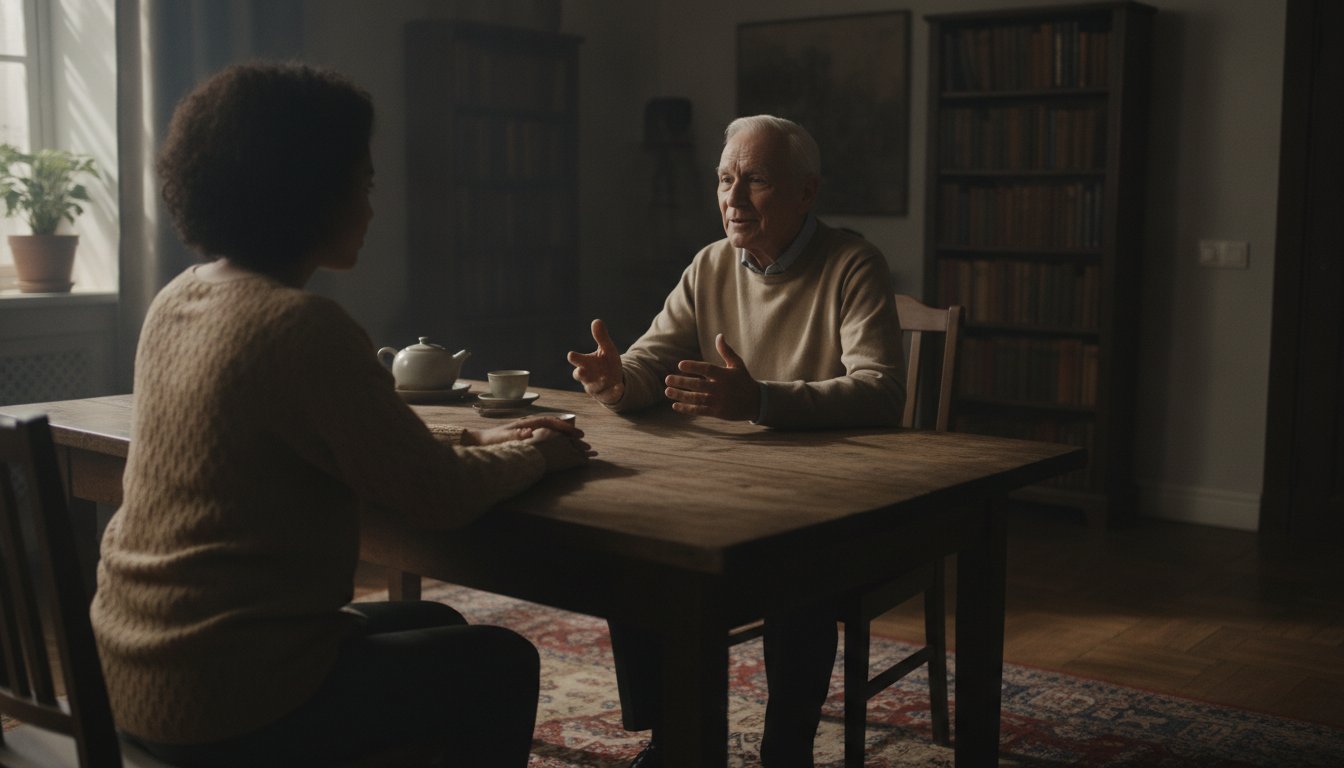
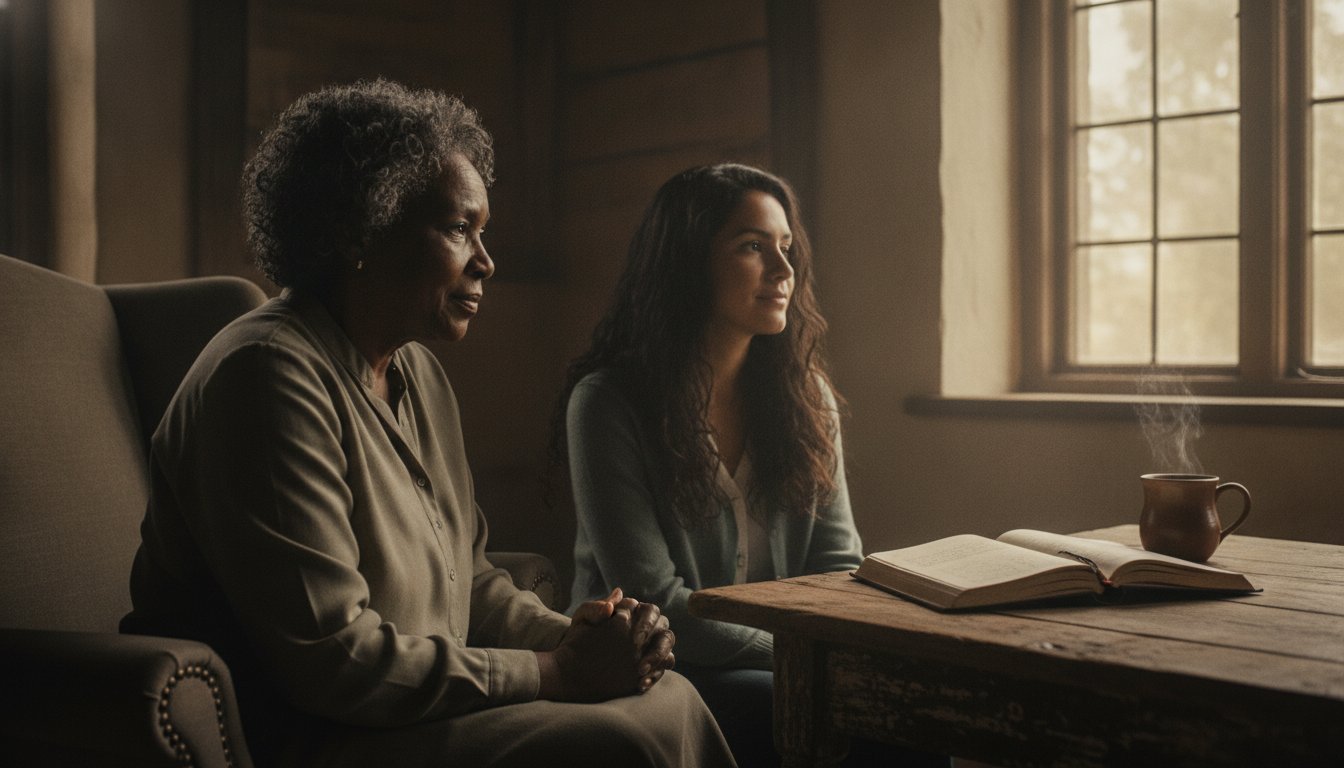
This is the essence of Sacred Accompaniment. A spiritual director acts as a companion who helps you interpret the silence. They don't provide answers. They hold the space. They listen for the themes and patterns that you might miss while you're in the thick of the story. Sometimes, the most profound growth happens when we step away from our daily environments entirely. Participating in Christian storywork retreats offers a communal container for this deepening. In these spaces, your personal rhythms are met with the collective resonance of others who are also seeking to honor their sacred history. Sharing your narrative with a sacred witness doesn't just describe the story. It changes the story itself.
The Power of the Witness
There is a unique weight to being seen. Dr. Shonda Carter facilitates a sanctuary where these narratives can be safely untangled and held with reverence. While you can certainly walk this path alone, a sacred guide provides a mirror that reflects the Divine light back to you in ways you might not perceive on your own. You'll know you're ready for a storywork session when the "what" of your history starts to feel like it's pointing toward a deeper "why." It's the moment when the practice of listening becomes a desire for understanding. It's a transition from the "doing" of spiritual discipline to the "being" of a witnessed life.
Your Story is a Sacred Text
Your life is not a problem to be solved. It's not a broken machine that needs fixing or a list of failures to be edited. It's a sacred text. The goal of every contemplative rhythm is to live with an integrated heart, where the silence of your morning informs the speech of your afternoon. You're learning to honor the ink on the page, trusting that the Author is still writing. Contemplative practices for beginners are the first steps toward this wholeness. If you feel the call to move deeper into this narrative healing, I invite you to take the next step. Whether you choose to book a discovery call for Spiritual Direction or join a quiet day during one of our Spiritual Formation Retreats, your story deserves to be heard. Let's listen to it together.
Embracing Your Sacred Narrative
The journey into stillness is rarely a straight line. It's a slow, rhythmic return to the heart of the Divine. By embracing contemplative practices for beginners, you've begun to trade the exhaustion of "doing" for the peace of "being." You've learned that your distractions aren't failures, but gentle reminders to come home. You've discovered that your life is not a series of random events, but a sacred narrative waiting to be read with love. This process of deep listening doesn't have to be a solitary endeavor. Led by Dr. Shonda Carter, a theologian and filmmaker, we offer a gentle, narrative-based approach to spiritual formation that honors your unique history.
Are you ready to hear the story God is telling through your life? Explore our Storywork Sessions and Sacred Accompaniment and discover a specialized focus on Christian storywork for women. You don't have to hold the silence alone. There is a witness ready to sit with you in the complexity and the beauty of your becoming. Your story is sacred. It's time to listen.
Frequently Asked Questions
How much time should a beginner spend on contemplative practices each day?
Beginners should start with five to ten minutes of intentional silence each day. It's far better to be consistent with a short window than to attempt a long session once a week and feel overwhelmed. As your soul grows accustomed to the stillness, you might find yourself naturally extending this time to twenty minutes. The goal is to create a sustainable rhythm that feels like a gift rather than a burden on your calendar.
Is contemplative prayer the same as Eastern meditation?
While they share physical stillness, contemplative prayer is fundamentally relational. It's not about emptying the mind or achieving a state of nothingness; it's about being present to a Person. In the Christian tradition, we aren't seeking to dissolve the self but to bring the self into communion with the Divine. It's a movement from isolation toward a shared, sacred presence. We don't empty the heart; we open it to be filled.
What if I fall asleep during my contemplative practice?
If you fall asleep, treat it as a sign that your body is in deep need of rest. God is present in your sleep just as much as in your wakefulness. Don't judge yourself or feel that the time was wasted. Simply adjust your posture next time, perhaps sitting more upright or opening a window for fresh air. Your weariness is a part of your story that deserves kindness, not a spiritual reprimand.
Do I need to be a "spiritual" person to start these practices?
You don't need to possess a specific level of holiness or spiritual expertise to begin. contemplative practices for beginners are designed for the weary, the curious, and the distracted. All that's required is a willingness to show up and a desire for a deeper connection with the Divine. Your ordinary, messy life is the only equipment you need to enter the sacred pause. The Spirit meets you exactly where you are.
What is the best time of day for contemplation?
The best time is the hour you can guard with consistency. Many find the early morning quiet helpful before the world's demands begin, while others prefer the evening to process the day's narrative. Choose a time when your mind is alert but not yet consumed by the "to-do" list. Experiment with different windows until you find the rhythm that allows your heart to settle most naturally into the presence of God.
How do I know if I am doing it right or if it is working?
You'll know it's working not by a specific feeling during the practice, but by the slow growth of peace in your daily life. You might notice a bit more patience, a shorter fuse, or a deeper sense of presence in stressful moments. There is no perfect performance in contemplation. If you returned to your sacred word even once, you did it right. The transformation is often quiet, slow, and hidden from immediate view.
Can I practice contemplation if I have experienced spiritual trauma?
Yes, you can, but it's important to move with extreme gentleness toward yourself. For those with a history of spiritual trauma, contemplative practices for beginners can be a path toward healing when approached with the right support. Silence can sometimes feel heavy or unsafe, so it's helpful to start with very short intervals or use a visual anchor like a candle. Having a sacred guide can provide the necessary safety to navigate these internal landscapes.
Comments