Storywork Sessions: Reclaiming the Sacred Narrative of Your Life

What if the parts of your story you’ve been editing out… are the very places God refuses to skip?
Not the polished chapters. Not the testimony you learned how to tell with a bow on top.
I’m talking about the lines you mumble through. The scenes you wish had better lighting. The moments that don’t resolve… they just sit there, breathing.
If you’re anything like me, you’ve probably tried to sort your story into neat little piles.
This part matters. This part doesn’t.
This part is “too much.”
This part is… somehow still “not enough.”
And somewhere along the way, you learned how to carry all of that quietly.
Here’s the thing no one says out loud: your story isn’t a problem to fix. It’s a place to listen.
That’s what a story work session actually is. Not a performance. Not a postured version of healing. A sacred kind of noticing. The kind that lets your past speak without rushing it into a redemption arc just to make everyone comfortable.
Because you already know this: spiritual exhaustion doesn’t come out of nowhere. Church hurt doesn’t just disappear because you’ve learned the right language. The echoes have a long memory.
But what if those echoes aren’t interruptions?
What if they’re invitations?
In a story work session, we slow it all down. We pay attention to what your story has been holding without words. And somewhere in that space, something begins to shift. Not because you forced it to… but because you finally stopped looking away.
Not everything resolves.
But a lot reveals.
And sometimes, that’s where healing actually begins.
Key Takeaways
View your personal history as a sacred text rather than a series of problems, allowing you to approach your past with reverence instead of shame.
Discover the deliberate architecture of storywork sessions, where the rhythmic flow of naming and witnessing transforms old heartaches into narratives of hope.
Understand the vital distinction between clinical counseling and sacred accompaniment to ensure you are seeking the right spiritual path for your soul's formation.
Learn how to cultivate a posture of curiosity and kindness toward your own heart, preparing you to enter a narrative intensive with a sense of safety and openness.
Explore the unique integration of theology and documentary filmmaking used to help you "see" the internal landscapes of your life with newfound clarity and wisdom.
Table of Contents
The Invitation of Storywork: Why Your Personal History is Sacred Ground
The Architecture of a Storywork Session: Naming, Witnessing, and Re-authoring
Beyond Clinical Care: How Storywork Differs from Traditional Counseling
Preparing for the Journey: What to Expect in Your Narrative Intensive
Sacred Accompaniment: Stepping into Your Story with StoryLogian
The Invitation of Storywork: Why Your Personal History is Sacred Ground
Your life is not a random collection of accidents. It's a sacred text. Every chapter, even the ones marked by heavy shadows or forgotten silences, holds an image of God. Often, we carry a quiet unrest within us. It's the persistent weight of an untold story. We feel known only in fragments, showing the world the edited versions of ourselves while the raw, unpolished pages remain hidden. Storywork sessions offer a different way to exist. They are a contemplative invitation to slow down. To breathe. To look at the internal landscape of your history with a sense of holy curiosity rather than judgment.
Dr. Shonda Carter approaches this work through a unique lens. She weaves together the profound depth of theology with the observant, empathetic eye of narrative art. This isn't a transactional exchange. It's a shared journey into the heart of your experience. We believe that by honoring the specificities of your past, you can find a peace that surpasses the clinical. You move from being a problem to be solved to a person to be witnessed. This is the shift from a state of quiet unrest toward a sense of integrated wisdom.
The Difference Between Storytelling and Storywork
We often tell stories to entertain or to inform. We report what happened at the office or during a difficult conversation. Storywork, however, is a deeper investigation into the "why" and the "how" of the soul. While it shares foundational roots with the psychological framework of Narrative Therapy, its focus is fundamentally spiritual. Storytelling reports the facts; storywork investigates the lasting impact of those facts on your heart. In our storywork sessions, we move beyond the surface level of events. We identify specific themes of harm that have shaped your self-perception. We look for the hidden potential for healing. As your Sacred Guide, I don't look to fix a broken part of you. I look to witness the transition as you re-author your life with kindness.
Who is Narrative Storywork For?
This path is specifically designed for the woman who feels her current faith practices have become dry or stale. Perhaps your relationship with God feels like a series of obligations rather than a vibrant, shared history. It's for those navigating the complex, often painful terrain of church hurt or significant life transitions. You don't need to be a writer or a poet to engage in this process. You simply need a heart that is willing to be seen. If you feel that your past acts as a barrier to your present relationship with God, this work is for you. It's for anyone seeking spiritual freedom from old narratives of shame and a desire to be fully known.
The Architecture of a Storywork Session: Naming, Witnessing, and Re-authoring
A session begins in silence. It is a deliberate pause. In this space, we move from the noise of the external world into the quiet, often unvisited rooms of the heart. The rhythm of our storywork sessions is not linear; it is circular and organic. We start with the breath. We move toward discovery. This process is grounded in a theoretical perspective on client narratives that recognizes how our internal stories shape our reality. By naming the specific moments where your narrative shifted, you begin to reclaim authority over your life. You're no longer just a character in a story written by others. You're the one holding the pen.
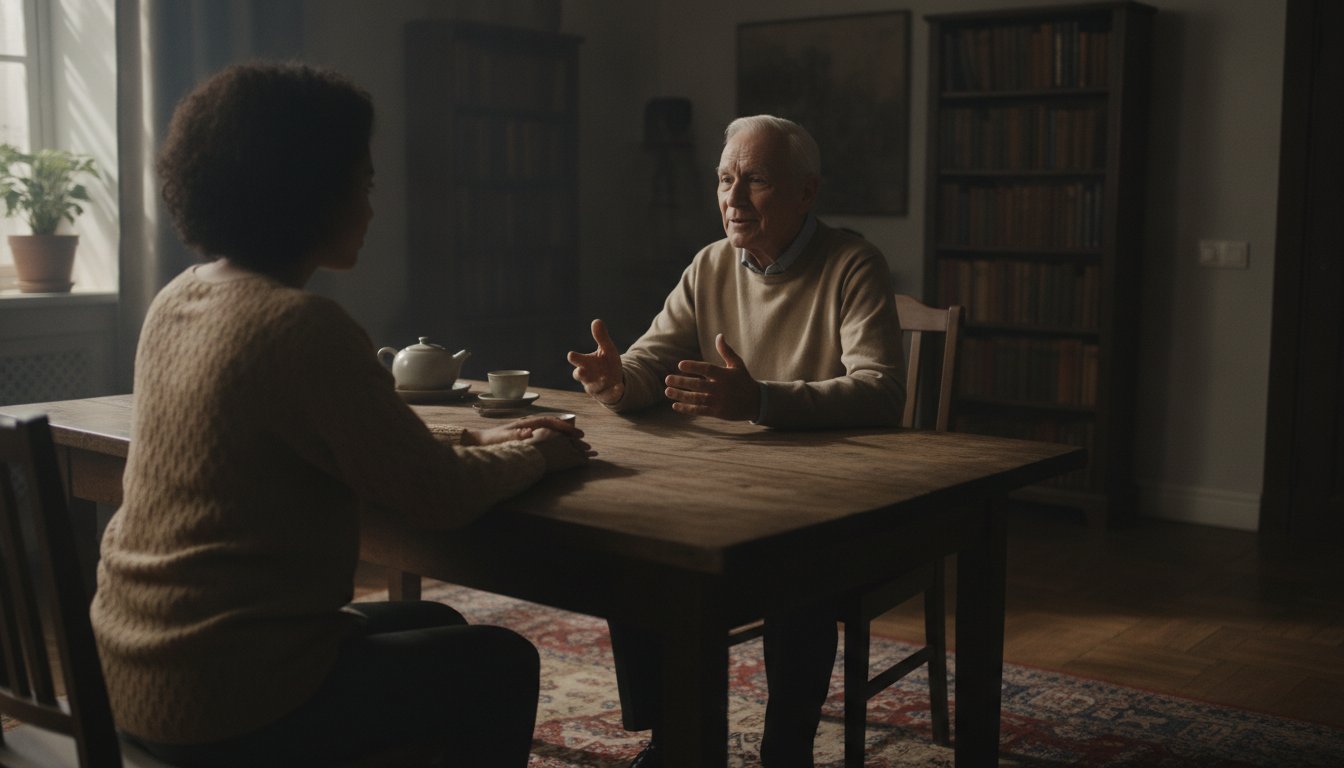
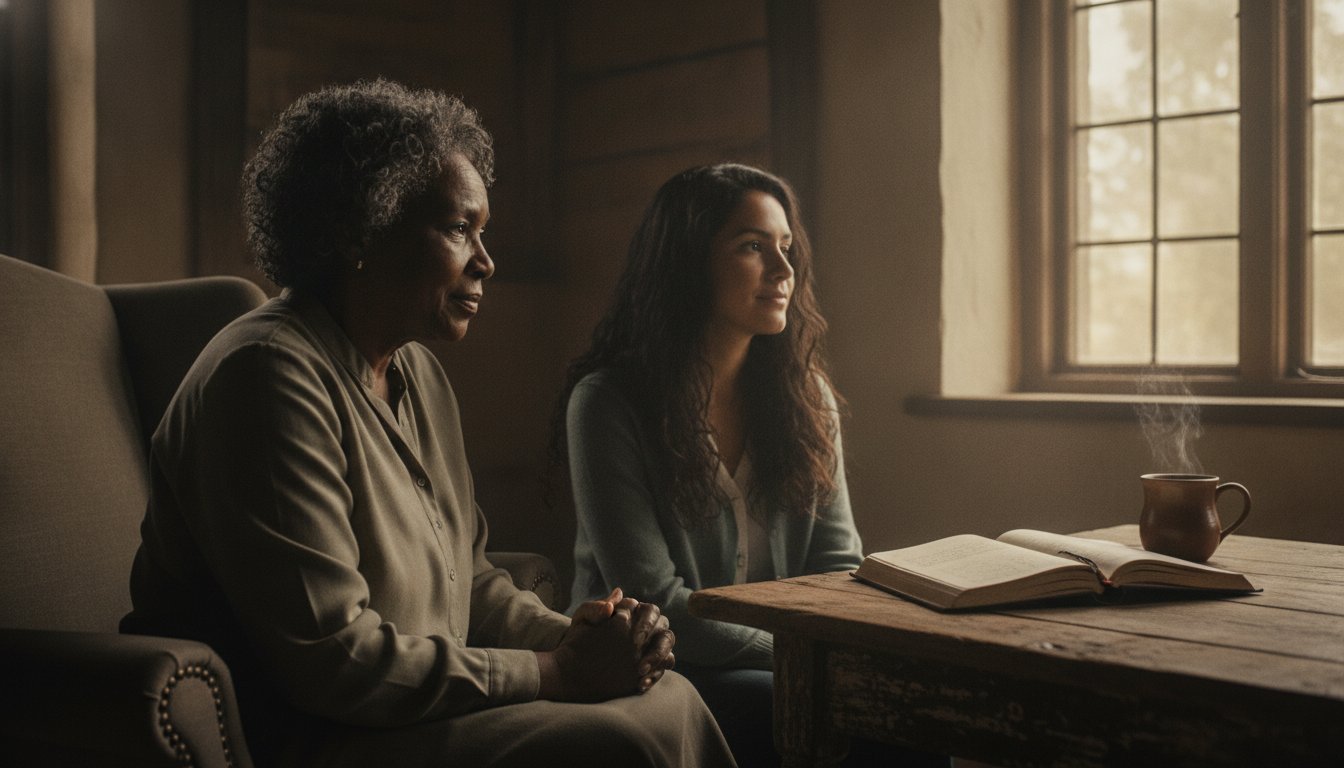
There is power in being witnessed. When a sacred companion sits with you in the presence of a painful memory, the internal chemistry of that memory begins to change. Shame thrives in isolation. It withers in the light of compassionate witnessing. This is the heart of sacred accompaniment. It's a shared journey where your past is held with reverence. The ultimate goal is re-authoring. We move from a narrative of victimhood toward a story of integrated wisdom, where every scar is seen as a testament to survival and grace.
Step 1: Identifying the Narrative Arc
We use a filmmaking lens to view your life. You're invited to see scenes rather than just problems. What were the inciting incidents of harm? Where was grace absent when you needed it most? We work to distill how your past currently speaks to your present in a single, honest sentence. This clarity is the first step toward transformation. Identifying the arc allows you to see the movement of your life with fresh eyes.
Step 2: Engaging the Themes of Harm
We look at patterns of shame, contempt, or powerlessness. We do this without judgment. Dr. Carter facilitates a contemplative environment where these heavy themes can be held safely. This environment is built upon:
Deep, active listening that honors your autonomy.
Methodical grace that allows ideas to settle.
A commitment to complexity over quick fixes.
Through contemplative prayer, we invite the Divine to sit with us in the discomfort. We don't rush the process. We allow the themes to emerge naturally, honoring the pace of your own heart.
Step 3: Re-authoring with Hope
Every story has a redemptive thread. It's the golden line God has been weaving through your history, even when you couldn't see it. We identify this thread together. We practice soul care to sustain this new narrative, ensuring it takes root in your daily life. You begin to draft your next chapter. You do so with a renewed sense of agency. You move forward in spiritual freedom. If you feel called to this work, you may find that our storywork sessions provide the space you need to begin.

Beyond Clinical Care: How Storywork Differs from Traditional Counseling
"Is this just therapy?" It's a question often asked with a mix of curiosity and hesitation. It's a natural inquiry for those seeking relief from the weight of a heavy history. While clinical care serves a vital purpose in our world, StoryLogian exists in a different, more contemplative landscape. We don't offer clinical mental health counseling or crisis intervention. Instead, we offer sacred accompaniment. Where a clinical setting might prioritize symptom management or diagnostic labels, our storywork sessions focus on soul care. We look for the movement of the Divine in the quiet pauses between your words. We aren't looking to fix a problem; we're looking to witness a life.
The pace of our work is slow. It's deliberate. It's intentionally unhurried. In a world that demands quick resolutions, we choose to linger. We allow the narrative to breathe. This approach finds its roots in an Introduction to Narrative Therapy, yet it transcends the purely psychological by inviting the Spirit into the room. We believe that true transformation doesn't happen through a checklist of goals, but through the patient, reverent exploration of your internal landscape. This is the difference between a transactional service and a shared journey.
A Faith-Based Lens
Narrative theology informs every moment of our work. We see the soul through the evocative metaphors of filmmaking. We consider the lighting of your memories. We examine the framing of your beliefs. We ask how your perspective has been shaped by the lenses of the past. In our storywork sessions, the relationship is not one of doctor and patient. It's a partnership. We walk together as fellow travelers, honoring the sacred ground where you've stood. We use these creative tools to help you "see" your story with fresh eyes, moving toward a sense of integrated wisdom.
The Role of Spiritual Discernment
Storywork is a practice of deep, holy listening. We listen for God’s whisper within the chapters of your history. It's a work of discernment. By engaging your narrative with kindness, you begin to see the shape of future callings and vocations. You move from the desire to fix a broken past to the holy work of honoring it. This isn't about erasing what happened or finding an easy "why." It's about integrating your history into a larger story of grace. We trust that the wisdom you need is already present within you, waiting to be named and witnessed.
Preparing for the Journey: What to Expect in Your Narrative Intensive
Entering a Narrative Intensive is not like stepping into a classroom. It's more akin to entering a sanctuary. Dr. Carter creates a contemplative space that is intentionally designed to quiet the external noise, allowing the internal landscape to come into focus. This environment is built on safety and sacredness. It's a place where your soul can finally feel safe enough to speak. Our storywork sessions are designed to move at the speed of your heart, ensuring that nothing is rushed and every word is given the weight it deserves. We ask you to arrive with a specific posture: one of curiosity and kindness toward your own history. Lay down the gavel of judgment. Pick up the lens of the observer.
Before we meet, you'll be invited to engage in a few preparatory reflections. We might ask you to write a brief narrative of a specific moment in your life; a "scene" where you felt a significant shift in your understanding of God, yourself, or the world. This isn't a writing assignment to be graded. It's a seed. It's the beginning of our shared journey of discovery. By naming these moments on paper, you begin the holy work of externalizing your story, making it something we can witness together with reverence.
Individual vs. Group Storywork
Deciding on a format is a matter of discerning your current season of life. One-on-one sacred accompaniment offers a private, tender space for stories that feel too fragile for a wider audience. It allows for a deep, concentrated focus on your unique narrative arc. Conversely, our spiritual formation retreats provide the power of communal witnessing. There is a profound resonance that happens when you hear your own ache echoed in the story of another. Both formats seek the same end: integrated wisdom and spiritual freedom. If you feel the need for focused, private reflection, you can book your storywork sessions to begin that individual journey.
The Posture of the Participant
We often spend our lives performing. We tell the stories we think people want to hear. In this work, we move from performance to presence. This means being honest about the "narrative resistance" that often arises. You might feel the urge to minimize your pain or skip over the chapters that feel "too much." This is a natural part of the process. We don't push past this resistance; we sit with it. We hold space for the silence. It's often in the quietest moments of the session that the most profound breakthroughs occur. To help you arrive with openness, consider this checklist for the heart:
A willingness to be seen without the mask of "having it all together."
A commitment to honesty over the need for a polished narrative.
A spirit of self-compassion for the version of you that lived through the story.
An openness to the "God-whispers" that emerge in the unlikeliest places.
Sacred Accompaniment: Stepping into Your Story with StoryLogian
Dr. Shonda Carter carries a profound heart for the spiritual formation of women. Her work is not merely a professional service. It is a calling. She approaches each narrative with a reverence that mirrors the sacredness of the life being shared. By weaving together the observant eye of documentary filmmaking with the deep, ancient truths of theology, she offers a unique way of "seeing" the soul. The camera, in her hands, is a metaphor for the Divine gaze. It is steady. It is patient. It is focused on the truth of the human experience without the need to edit or hide. In our storywork sessions, we use these tools to help you identify where the light of grace is breaking through the shadows of your past.
Re-authoring your story with a sacred guide is a transformative act of courage. It requires a willingness to be seen in your rawest form. Yet, it is in this being seen that the weight of the "too much" begins to lift. You are no longer navigating the labyrinth of your history alone. You have a companion who is comfortable with your silence and your complexity. Together, we move from a state of quiet unrest toward a sense of integrated wisdom. This is the promise of sacred accompaniment: a shared journey that honors your autonomy while providing the safety you need to heal.
The Long-Term Impact of Storywork
The work we do in our storywork sessions extends far beyond the time we spend together. It cultivates a lasting Narrative Resilience. This is the ability to face your daily life with a renewed sense of agency and hope. When you have faced the difficult chapters of your past and found the redemptive thread, your internal landscape changes. Your prayer life becomes more than a duty. It becomes a vibrant, honest conversation with the Divine. There is a ripple effect to this healing. One woman’s journey toward wholeness inevitably touches her family and her community. When you reclaim your story, you give others the unspoken permission to do the same.
Begin Your Narrative Healing Today
The path toward spiritual freedom is often a slow, deliberate movement. You might begin by watching Dr. Carter’s films or listening to the podcast to find the language for your own internal experience. These resources are designed to help your heart settle before you take the next step. When you feel the quiet nudge to go deeper, we are here to walk with you. Whether you seek the focused attention of a narrative intensive or the communal resonance of our spiritual formation retreats, your story will be held with the utmost respect. It's time to stop running from your history and start reclaiming the sacred narrative God has been writing all along. Book Your Storywork Session with StoryLogian and begin the holy work of re-authoring your life.
Step Into Your Reclaimed Narrative
Your history is not a barrier; it's a bridge. We've explored how naming the tender themes of your life and receiving sacred witnessing can transform old narratives of shame into integrated wisdom. By engaging in storywork sessions, you're choosing to honor the sacred text of your existence. This is not a clinical fix. It's a return to the Divine presence within the quiet rooms of your own history. It is a holy homecoming. A steady, guided movement toward wholeness.
Led by Dr. Shonda Carter, a Spiritual Director and filmmaker, our theologically grounded approach invites you into a space of profound holy curiosity. We offer a national reach for both one-on-one intensives and group retreats, ensuring that your story is met with a contemplative pace that respects your heart's unique timing. You don't have to carry the weight of an untold story any longer. You're invited to breathe. You're invited to be fully known. Your story is still being written, and the next chapter begins with a single step of courage.
Begin Your Journey of Sacred Accompaniment
Frequently Asked Questions
What exactly happens during a storywork session?
A typical session begins in a deliberate silence to ground the heart before we move into discovery. We use storywork sessions to look at your life through the lens of a filmmaker, identifying specific "scenes" where you felt a significant shift in your soul. Together, we name the patterns of harm and look for the golden thread of grace. It's a slow, methodical process of deep listening and holy curiosity.
Is storywork the same as Christian counseling or therapy?
Storywork is distinct from clinical counseling because it focuses on spiritual formation and sacred accompaniment. We don't provide mental health diagnoses, clinical treatment plans, or crisis intervention. Instead, we offer a contemplative space to interpret your life as a sacred text. While it's deeply healing, it functions as a shared journey of faith rather than a medical or psychological intervention.
Do I need to be a "good writer" or have a "big story" to benefit?
You don't need any literary expertise or a "dramatic" history to find value here. Every life is a sacred narrative, and often the most profound wisdom is found in the quiet, overlooked moments. Whether your story feels "too much" or "not enough," it deserves to be witnessed with reverence. We aren't looking for polished prose; we're looking for the honest movement of your heart.
How long does a storywork intensive usually last?
Narrative intensives are designed to be unhurried and deep, often spanning several hours or a few days depending on the format. We choose to linger where the soul needs more time. This deliberate pace allows ideas to settle and the Spirit to speak in the pauses. Unlike a traditional hour-long appointment, these sessions create a "contemplative environment" where you can breathe and explore without the pressure of the clock.
Can storywork help me heal from church hurt or spiritual abuse?
These sessions are specifically designed to help women navigate the complex terrain of church hurt and spiritual exhaustion. By naming the specific moments where power was misused or grace was absent, you can begin to untangle your identity from those old scripts of shame. We look for the "God-whispers" that remain, helping you reclaim a relationship with the Divine that feels safe and true.
What is the difference between spiritual direction and storywork?
Spiritual direction typically focuses on your current awareness of God's presence, while storywork looks back at your history to understand your present. They are complementary paths. In our storywork sessions, we investigate how the "inciting incidents" of your past have shaped the way you hear God today. It's a backward glance that serves your forward movement into spiritual freedom.
Is this process safe for someone with significant past trauma?
We maintain a posture of profound gentleness and safety, making this a supportive space for those with tender histories. However, it's important to remember that we don't offer 24/7 crisis intervention or clinical trauma therapy. We recommend that participants have a stable foundation or a clinical therapist if they are in a season of acute psychological distress. Our focus is on witnessing and re-authoring, not clinical stabilization.
How do I know if I am ready for a narrative intensive?
Readiness often feels like a "quiet unrest" or a desire to finally stop running from certain chapters of your history. If you find yourself longing to be witnessed rather than "fixed," your heart is beginning to open. Readiness isn't about being "healed enough" to start; it's about being tired enough of the old narratives to finally pick up the pen and write something new.

Comments